What Is A Power Flush?
Over time, sludge, rust, limescale and debris build up inside a central heating system, damaging boilers, radiators and pumps and stopping radiators from working properly. A Power Flush is one of the most effective ways to clear it out. This guide explains what a Power Flush is and answers the questions customers ask most.
What Is a Power Flush?
You could think of a Power Flush as a big spring clean for your central heating system. It's a cost-effective way of removing the blockages and contaminants that build up over time, restoring proper water flow through the system and reducing strain on your heating components.
What's Involved?
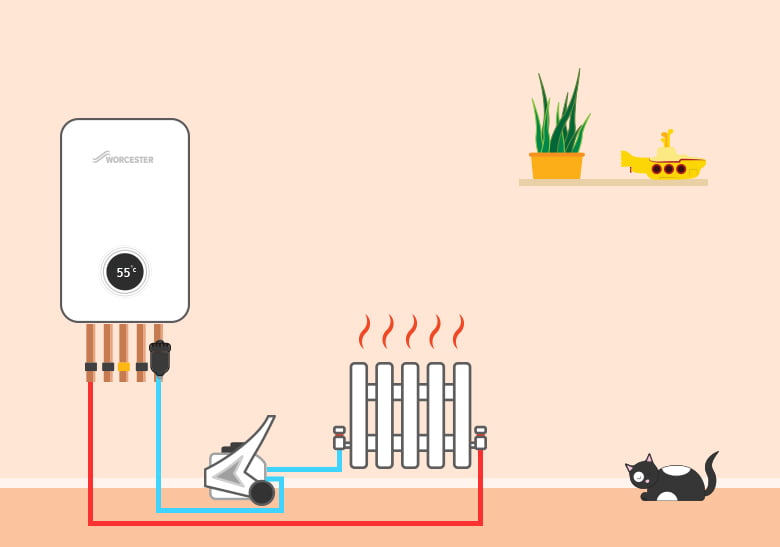
A specialised pump is connected to your heating system and forces a chemical cleaning solution through at high pressure, removing accumulated deposits from the radiators and pipes. Radiators don't need to be removed, though individual units can be isolated for a more thorough clean. Once finished, the system gets a clean water flush plus an inhibitor fluid to protect it in future. A typical Power Flush takes up to a full day — potentially longer for large properties, complex systems or heavily contaminated setups — and the cost depends on the duration and the number of radiators.
What Is Sludge?
Sludge, also known as magnetite, forms from corrosion and gradually accumulates inside the system. It's a serious problem: sludge causes over 60% of boiler breakdowns within the first five years, and if left untreated it can lead to costly failures.
The Benefits of Power Flushing
After a Power Flush, your boiler, pump and radiators run more efficiently, using less energy and potentially lowering your bills. Your home heats up faster with no cold patches, and the system is better protected against damage — reducing the risk of breakdowns and extending its lifespan.
When Is a Power Flush Necessary?
Liverpool Heating recommends a Power Flush when fitting a new boiler to an existing system. Warning signs that you may need one include cold patches on radiators (especially at the bottom), excessive noise, leaky radiators with dirty water, hot pipes but cold radiators, a boiler that frequently needs resetting, or a complete breakdown.
How Long Does It Last, and Are There Cheaper Options?
How long the results last depends on the age of your system and the condition of its components, but the industry generally recommends a Power Flush every 5 to 6 years. Cheaper alternatives such as a Chemical Flush or MagnaCleanse cost less and may suit problems affecting only a couple of radiators — but a full Power Flush remains the recommended option for comprehensive, whole-system protection.